
“I just don't have time for myself anymore.”
I hear this from almost every new parent I work with. Postpartum life can make it feel nearly impossible to prioritize your own movement and nutrition. Sleep is unpredictable, your body may be recovering, and feeding schedules, appointments, and the mental load of caring for a tiny human can make “take care of yourself” feel like one more task on an already overwhelming list.
Here's the reframe I come back to with clients again and again: prioritizing yourself doesn't mean carving out a big chunk of time. It means finding small, sustainable moments that fit the life you're actually living right now… not the life you had before having a kid or the life you imagine you'll have “once things calm down.”
Below are the five barriers I hear most often from postpartum parents, along with ideas for working through each one.
Barrier #1: “I Don’t Have Time for Myself”
Between feedings, naps that never happen on schedule, and the general chaos of early parenthood, a 45-minute workout can feel like fantasy. So can a leisurely home-cooked meal.
What Can You Do When You Only Have 10 Minutes?
Shrink the goal. A 10-minute walk with the stroller counts. Two sets of bodyweight squats while the coffee brews count.
Stack habits onto things you're already doing. Squats during tummy time. A protein-forward snack prepped while you're already in the kitchen making the toddler's lunch.
Let go of all-or-nothing thinking. Something is always better than nothing. Consistency beats intensity right now (and beyond, really!)
One of my clients, a mom of two under three, told me she “couldn't find 45 minutes anywhere.” We identified three 10-minute windows she already had: during a nap, during a show, and before bed. Instead of waiting for a full workout window, she started using whichever one was available to move in a way that fit her life.
Does a 10-minute walk really “count?”
Yes! A 10-minute walk does actually matter. Consistency is more helpful than duration when rebuilding habits around movement and nutrition. A short walk five days a week beats an hour-long workout you do once and then abandon out of exhaustion.
Barrier #2: “I Feel Guilty Prioritizing Myself”
Even when you do have a window of time, guilt creeps in. Shouldn't you be doing laundry? Getting the kitchen cleaned? Catching up on work? Taking time for yourself can easily feel like taking time away from someone else, even if that someone else is your messy house.
How Can You Work Through Parent Guilt?
Reframe it as modeling, not stealing time away. Your kids are watching how you treat yourself. Showing them a parent who moves their body and fuels themselves well is part of their upbringing. Kids pay more attention to these things than we think!
Name the guilt without letting it drive. You can notice the thought (“I should be doing something else”) and still choose to finish your walk or eat your lunch sitting down. You can acknowledge the thought without letting it make the decision for you.
Remember this is temporary in its intensity. As a new parent especially, routines can feel exponentially different from life “pre-kids.” However, the habits you work on redeveloping now can support you as those routines continue to evolve.
Barrier #3: “I Don’t Know Where to Start”
When time and energy are scarce, decision fatigue happens almost automatically.
If figuring out what to eat or how to move feels like too much, you'll skip it because there's no bandwidth left to plan what meal to make or what movement to do.
Reducing Decision Fatigue Postpartum
Keep a short list of 3 to 5 “go-to” meals or emergency snacks you can make without thinking.
Keep 2 to 3 movement options in your back pocket depending on how much time or energy you have that day.
Batch your decisions when you have more capacity. Postpartum brain fog is real, so front-load the thinking to your better moments rather than trying to figure out how you’re going to move or feed yourself during the 2 a.m. feeding.
Work with a coach who can help build a realistic and sustainable plan with you so that you're not starting from scratch every day.
Barrier #4: “I’m Not Sure My Body Is Ready”
Your body has been through something enormous, especially as the birthing parent. It's normal to feel unsure about what movement is safe right now, especially without clear guidance. No shade to the OB-GYN eight-week postpartum checkup, but it rarely lasts longer than 10 minutes or provides comprehensive guidance on returning to movement.
Where To Start With Postpartum Movement
Begin with foundational movement: walking, gentle core and pelvic floor work, before working back toward more intense training.
Get individualized guidance if you can, especially if you're navigating diastasis recti, pelvic floor concerns, or C-section recovery. Working with a pelvic floor physical therapist can provide much more personalized support.
Let go of "back to normal" as the goal. Building strength for the demands you face now is the goal.
Barrier #5: “Postpartum Nutrition Feels Overwhelming”
This is where I see the most confusion. Postpartum parents are told to “eat healthy” with zero specifics, even while the body may be recovering and nutritional needs may be higher with breastfeeding.
What Should I Eat Postpartum?
A few things I come back to with almost every postpartum client:
Include protein at every meal. It supports tissue repair, helps you feel satisfied longer, and matters even more if you're breastfeeding, since your body is making milk on top of everything else it's doing.
Eat regularly instead of trying to “catch up.” Skipping food when you're exhausted can make energy and mood worse. Regular meals and snacks can help keep you steadier through the day.
Keep fluids nearby, especially if you're nursing. Keep water within reach wherever you spend the most time: the nightstand, the couch, or wherever you feed the baby.
Choose easy, nutrient-dense foods rather than overhauling everything. Nuts, eggs, yogurt, and fruit require almost no prep on the days you have nothing left to give.
Fuel your higher needs if you're breastfeeding. This isn't the time to undereat or restrict. Fueling consistently supports both your milk supply and your own energy and mood.
A More Realistic Standard for Postpartum Health
Prioritizing yourself postpartum isn't about finding more hours in the day. It's about redefining what “counts” as success in a busy and often overwhelming season of life.
You don't need perfect meals, long workouts, or a routine that looks like it did before becoming a parent. Start with one small action that supports you today, then build from there. Small, sustainable habits that fit your actual life are the ones most likely to last.
Postpartum nutrition can feel complicated and overwhelming
For personalized support that works with your season of life, not against it, sign up for 1:1 Nutrition Coaching and work with one of our Postpartum Specific Coaches!

Shannon Cusack
Clinical psychologist, toddler mom, and women's health advocate helping clients move past the guilt and overthinking that keep them stuck in the same food patterns.
You might also like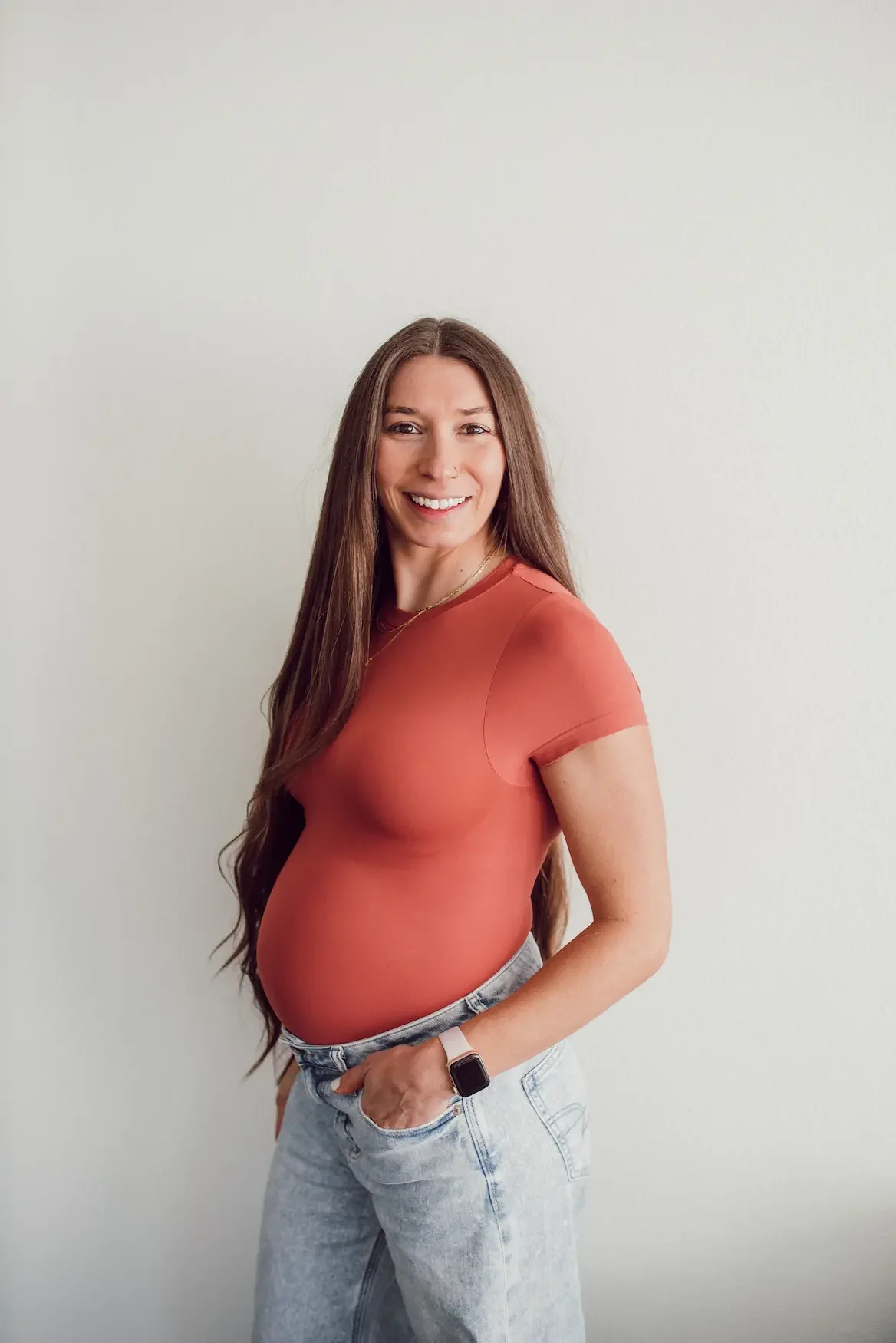

Sign Up for the newsletterFollow KLN on social media
Postpartum life can make nutrition and movement feel impossible to prioritize. This post breaks down five common barriers - from limited time and parent guilt to decision fatigue - and offers realistic ways to care for yourself without chasing perfect meals, long workouts, or your pre-baby routine.