
Eating on a GLP-1: What to Prioritize When You're Less Hungry
If you’re taking a GLP-1 medication like semaglutide (Ozempic, Wegovy) or tirzepatide (Zepbound, Mounjaro), you may have noticed that eating feels different:
hunger cues may be quieter,
food noise may feel lower,
and foods you used to enjoy may suddenly feel less appealing.
For some people, this means unintentionally going hours without eating or struggling to eat enough throughout the day. While GLP-1 medications can support appetite regulation, they don’t replace the habits that help you feel nourished, energized, and supported long-term.
Over the past year, I’ve worked with clients navigating these exact changes. Together, we’ve focused on building habits around behaviors that support their relationship with food and ensuring they’re nourishing their bodies.
In the past, we’ve shared about how GLP-1 medications work to quiet your appetite. In this post, we’re focusing on what to prioritize nutritionally while your appetite is lower.
Here are three nutrition habits that can help you stay nourished while taking a GLP-1 medication:
What should you eat while taking a GLP-1 medication?
There isn’t one perfect way to eat while taking a GLP-1 medication. But when appetite is lower, it can help to focus on a few key priorities:
1. Prioritize protein-forward meals
Our protein intake is exceptionally important when we are in a calorie deficit (eating fewer calories than we’re burning on average — what is usually happening when on a GLP-1 medication!) because it helps preserve muscle mass and can support steady energy levels. Since appetite may be lower, protein supplements like premade shakes or smoothies can be a helpful addition to your days.
2. Switch to smaller meals more frequently
GLP-1 medications can slow gastric emptying, which means you may feel full more quickly when you eat. Instead of trying to fit your nutrition into a few larger meals, smaller meals or snacks throughout the day may feel more manageable.
This approach can help support energy levels, and help you meet your nutrition needs throughout the day while minimizing some of the gastric discomfort that can come from the medication. This may feel like a big shift from past habits of opting for large, high-volume meals, but it’s a shift that supports this new season of life.
3. Focus on variety and avoid nutrient deficiency
When your overall intake is lower, food variety matters even more. Micronutrients like vitamins and minerals support energy, immune function, muscle health, digestion, hydration, and overall well-being. More and more evidence is pointing to potential nutrient deficiencies in those taking GLP-1 medications, and avoiding deficiency is a huge goal! Paying attention to micronutrients looks like making sure your plate has color on it (think fruits and veggies) — this means more variety of vitamins, minerals, antioxidants, and fiber, all of which support overall health.
High-Protein Smoothie Idea While Taking a GLP-1
A smoothie can be an easy way to combine protein, fiber, carbohydrates, hydration, and micronutrients in a smaller, more manageable option.
My go-to protein smoothie, made at home, is a balanced option that includes protein, fiber, carbs, hydration, and micronutrients:
Coconut Pineapple Green Smoothie
1-1.5 scoop vanilla protein powder
200ml coconut water
1 TB chia seeds
20g dried rolled oats
70g frozen pineapple
20g frozen banana
Handful of fresh spinach
Why this smoothie works
Coconut water provides electrolytes like potassium and magnesium, which can support hydration.
Pineapple contains vitamin C and antioxidants, which can support energy and immune health.
Chia seeds provide fiber, omega-3 fats, and some plant-based protein, which can support digestion (and regular bowel movements!).
Oats provide fiber, B vitamins, and complex carbs, which can support steady energy and heart health.
Banana adds potassium and vitamin B6, which can support hydration and energy.
Spinach contains iron, folate, vitamin K, and vitamin A, which support overall micronutrient intake.
Protein powder helps increase protein intake, which can support satiety, energy, blood sugar regulation, and recovery.
GLP-1s Can’t Do It All…
The bottom line: Taking a GLP-1 medication can change your appetite, hunger cues, and how much food feels manageable at one time. While the medication can do a lot of heavy lifting, it works best alongside solid, supportive eating habits that help you feel nourished and maintain your health long-term.
When we work with clients taking semaglutide or tirzepatide, we focus on the habits and behaviors that help them get the most out of their medication while minimizing side effects like nausea, fatigue, digestive discomfort, or loss of muscle mass.
Focusing on protein-forward meals, smaller meals more frequently, and a variety of micronutrient-rich foods can help you stay nourished while supporting energy, muscle mass, digestion, and overall well-being.
GLP-1 support that goes beyond the prescription
If you’re taking a GLP-1 medication, considering one, or just trying to sort through how you feel about it, our GLP-1 coaching support and resources are designed to help you build the habits that support your body, your relationship with food, and your long-term health while using these medications.
If you’re still in the “thinking about it” stage, you can also grab our free GLP-1 Question Kit. It includes some of the exact questions we walk clients through when they’re considering medication or exploring their thoughts and feelings around it.

Maria Martens
Certified NTP and social worker helping clients — especially those with autoimmune conditions and on GLP-1s — find a flexible, sustainable approach to nutrition that actually fits their real life.
You might also like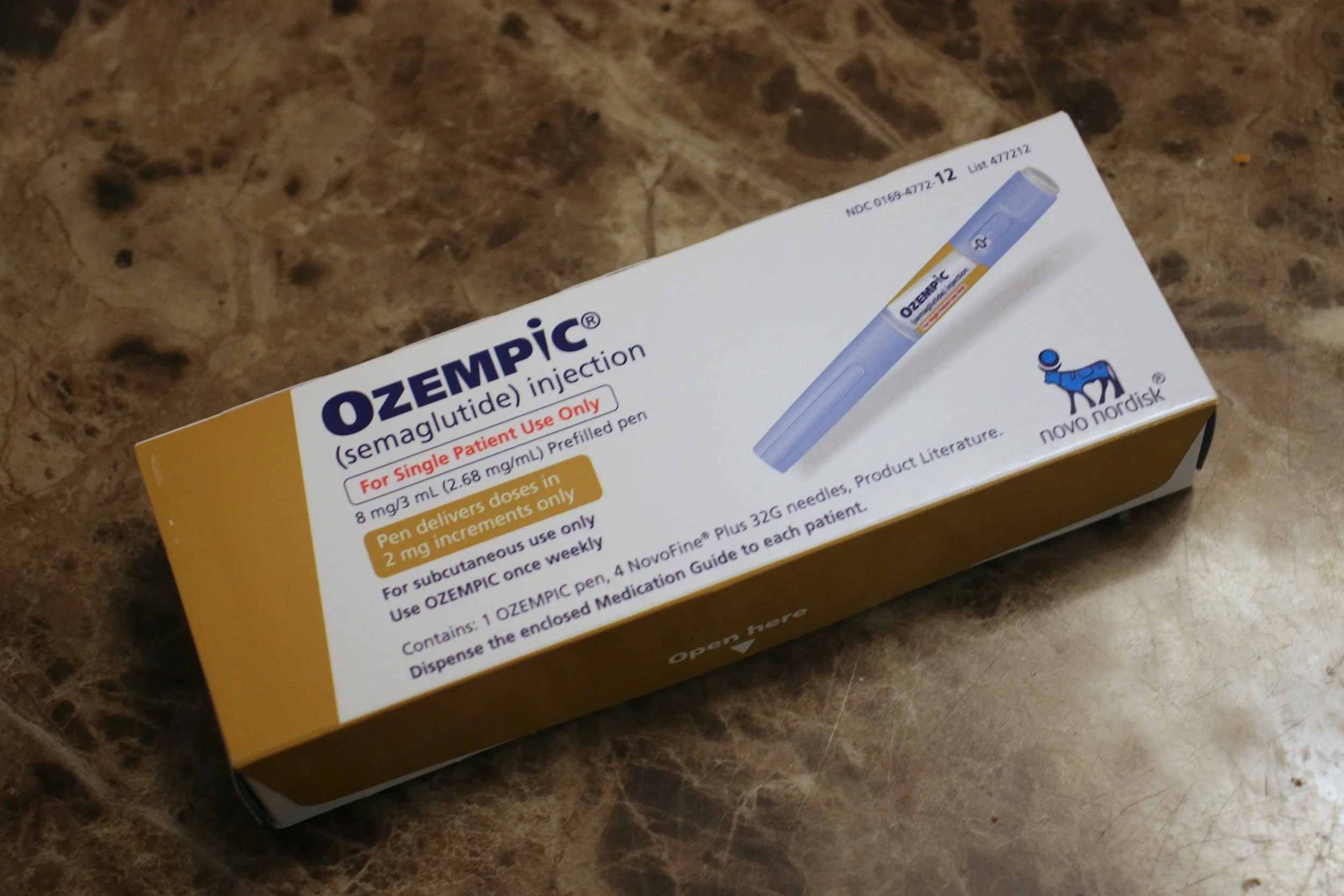
Sign Up for the newsletterFollow KLN on social media
Less hungry on a GLP-1? Here's how to prioritize protein, meal timing, and micronutrients to stay nourished — even when your appetite takes a back seat.