
Part 3: Workout nutrition series: post workout
When it matters most
The goal of post-workout nutrition is to help you eat enough in general, quickly restore energy, and speed up recovery.
If you train or practice multiple times per day, then you need to replenish glycogen stores as quickly as possible post training.
Here’s an example to illustrate this concept:
Imagine a college athlete lifts at 6 a.m., then goes to class, then has practice after class - If they don’t eat during that time, they’ll have low glycogen stores and poor energy when they show up to practice. That means poor practice quality, a higher injury risk, and a smaller chance of playing when it’s game time.
This same concept applies to a CrossFit athlete doing multiple events in a day, or a hybrid athlete who runs and lifts on the same day. Low glycogen stores = poor performance and poor recovery.
Here are some guidelines for post-workout nutrition,
Post-Workout Carbs
This is for athletes doing another hard session soon, not for someone lifting once and going to bed.
1-1.5 g of carbs/per kg of bodyweight during the first 30 minutes after exercise (0.45-0.7 g/lb of bodyweight) then repeat every two hours for 4–6 hours.
Example: Take our 70kg (154lb) athlete
First 30 minutes post training - 70-105 g of carbs
Two hours later - another 70-105 g of carbs
Two hours after that - another 70-105 of carbs
Total = 210-315 g in the 4–6 hours after training before the next training session.
Type of Carbs post-workout
Immediately after training - high glycemic easily digestible carbs. Gatorade, juice, rice krispy treats, bananas, etc.
In your subsequent meals, prioritize eating a mixture of quick digesting carbs and whole food carbs that you know you digest well. Bread, pasta, potatoes, oatmeal, along with fruit juices, cereal, etc.
Rehydration + Electrolytes
To fully recover after training, you need to replace the fluid and electrolytes you lose through sweat - not just drink water.
A general guideline is to replace 125% of the fluid you lose during training.
You can do this by
Weighing yourself before you workout
Weigh yourself after you workout
Determine fluid loss.
Calculate fluid needs
For example - If you weigh 160lbs before and 158lbs after training, then you lost two pounds during the workout. 2 × 1.25 = 2.5. Therefore you would need to drink 2.5 pounds (40oz) of water after training.
Just like with intra-workout nutrition, you also need to replace electrolytes, but remember that there’s no one-size-fits-all formula because everyone’s sweat rate is different (you can undergo sweat testing if you want to know your own sweat rate).
Generally if you’re eating enough calories, eating some packaged foods, and adding salt to your whole foods meals, then you’re likely meeting your electrolyte needs.
However, if you’re a heavy sweater living in a hot and/or humid environment, and/or you’re experiencing cramping between workouts, then you could need an electrolyte supplement post-workout.
Let me be super clear though - most people need less salt in their diets, not more, so use caution before you start drinking salt packs during the day.
Protein Post-Workout
Eating enough protein in general is the second most important part of a good nutrition plan, right behind eating enough calories.
For years, it was believed that there was a short anabolic window (about 30–60 minutes after training) where the body was more receptive to protein and muscle protein synthesis was significantly higher. However, newer research challenges that idea and shows that muscle protein synthesis actually peaks around 24 hours post-workout and remains elevated for up to 48-72 hours. In other words, the “anabolic window” lasts days, not hours, and you don’t have to slam protein immediately after your last set.
That said, a post-workout shake can still be a useful tool, and many of my clients drink one because:
they’re already thirsty after training
they stack the habit of exercising with the habit of drinking a shake
it helps them remember to get protein in, which improves consistency over time
If you need help hitting your daily protein goal, adding a post-workout shake to your routine can be an effective strategy. A simple guideline is to aim for 25–50 grams of protein, whatever amount helps you to consume enough protein throughout the day.
Quick Recap
When you fuel your body with enough calories, carbohydrates, and protein, everything you do in training starts to work better. Energy is higher, training quality improves, and recovery is better! Use the pre-, intra-, and post-workout nutrition tips to enhance what your body is already prepared to do - train hard, adapt, and build more muscle and fitness.
Here’s what is most important:
Eat enough overall.
Front-load carbs and protein pre-workout
Add intra/post workout strategies if and when training demands
When nutrition aligns with effort, training becomes a lot more fun AND you get more results. That’s a win-win.
Read the full series
If you’re training hard and want your nutrition to actually support performance, recovery, and consistency, grab our free Performance Nutrition Guide. It breaks down how to fuel training without overcomplicating things—so you can eat enough, train better, and feel stronger session to session.

Kenny Lyman
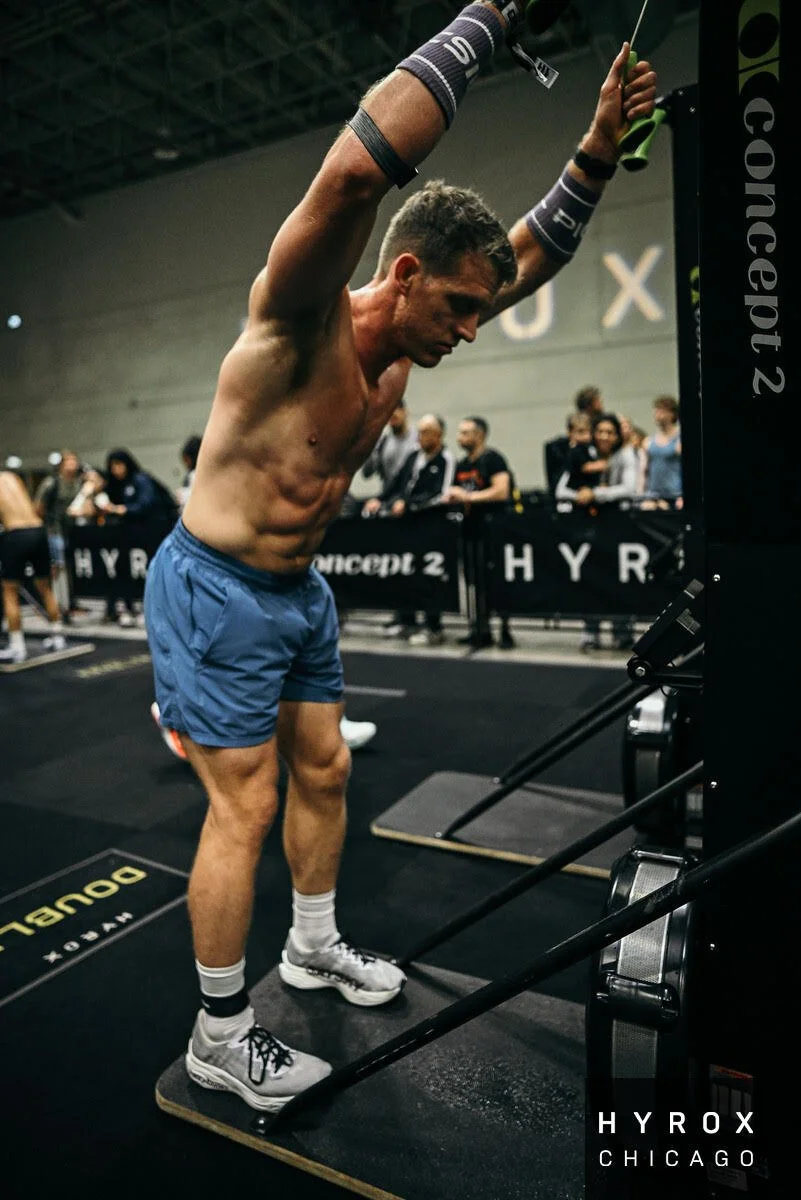
Dad and Hyrox athlete helping clients turn hard work into real results without falling for every shiny new diet trend.
You might also like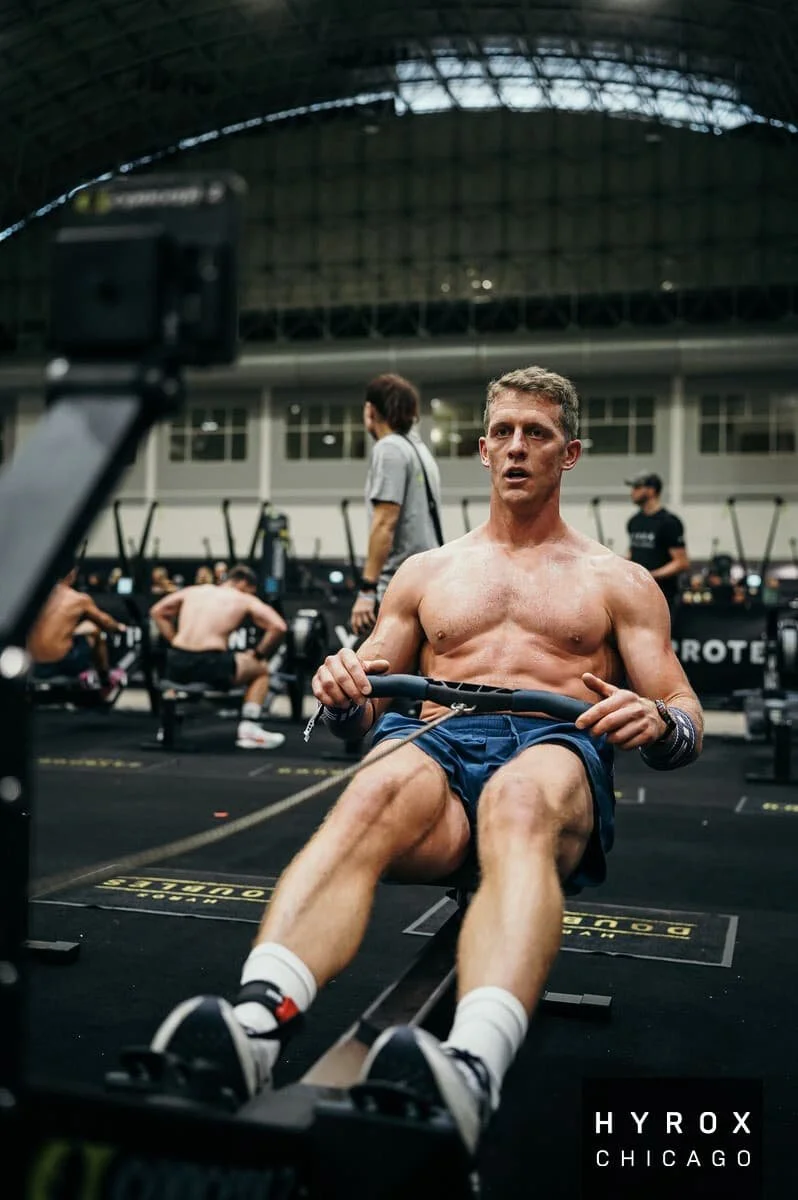
Sign Up for the newsletterFollow KLN on social media
Part 3 of our workout nutrition series - Simple, evidence-based pre, intra, and post-workout nutrition tips to fuel training, improve recovery, and stop under-eating for your goals.