
Fibermaxxing: 10 High Fiber Foods You May Enjoy
Quick, which single nutrient do you think is the most important nutrient to eat enough of every day?
3,2,1 - what’s your answer?
You probably said protein because protein gets all of the love (and it IS important) but in my experience as a nutrition coach the nutrient that people would benefit the most from eating more of is... FIBER.
Why fiber matters more than you think
For example, when my clients consistently eat at least 14 grams of fiber per 1000 consumed calories, they feel AWESOME; their digestion and bowel movements are smooth and constipation free, their hunger levels are more manageable, and they have more energy. If my personal experience as a seasoned nutrition coach isn’t enough to convince you of the benefits of fiber, there are many meta analyses showing that consistent high fiber intake is linked to a significant decrease in all cause mortality risk.
Put simply: people who eat more fiber are less likely to die from any disease.They have better gut health, cardiovascular health, and improved blood sugar control.
I promise you, increasing your fiber intake is one of the best daily actions you can take to improve your health and body composition, period.
The quick “fiber goal” guideline (14g per 1,000 calories)
The general goal is to eat 14 grams of fiber per 1000 calories consumed. So if you eat 2000 calories in a day, your minimal ideal fiber intake is 28 grams, 3000 calories = 42 grams, and so on.
Now that you know how great fiber is and want to eat more of it (or you’re at least curious about the trend of Fibermaxxing), here are some of the easiest foods that you can eat in order to add fiber to your diet.
The easiest high-fiber foods to add this week
High-protein, high-fiber snack options
Dried roasted edamame beans (5-8g fiber per serving)
Dried edamame (soybeans) are a nutrient-dense snack, packed with protein and fiber, offering around 120-200 calories, 10-20g protein, and 5-8g fiber per ounce/serving (depending on the specific brand purchased). These can be a great single serve, on-the-go snack since they don’t require any refrigeration!
Fruit + easy add-ons
Berries (3-8g fiber per serving)
Pretty much all varieties of berries are low-calorie, nutrient-dense, and packed with fiber. You can add them to yogurt, shakes, oatmeal, cereal, or you can just eat them straight from the container as a delicious and easy snack!
Here are a few comparisons of the most common berries (approximate per 1 cup/120g serving):
Strawberries: ~50 calories and 3 grams of fiber
Blueberries: ~80 calories and 3 grams of fiber
Raspberries: ~60 calories and 7-8 grams of fiber
Blackberries: ~60 calories and 7-8 grams fiber
Dates (7-8g fiber per 100g)
Dates are an excellent source of dietary fiber, providing around 7-8 grams per 100-gram serving. Trader Joe’s sells a grab and go box of dates, just one example of many high fiber snacks from Trader Joes.
Simple swaps that add fiber fast
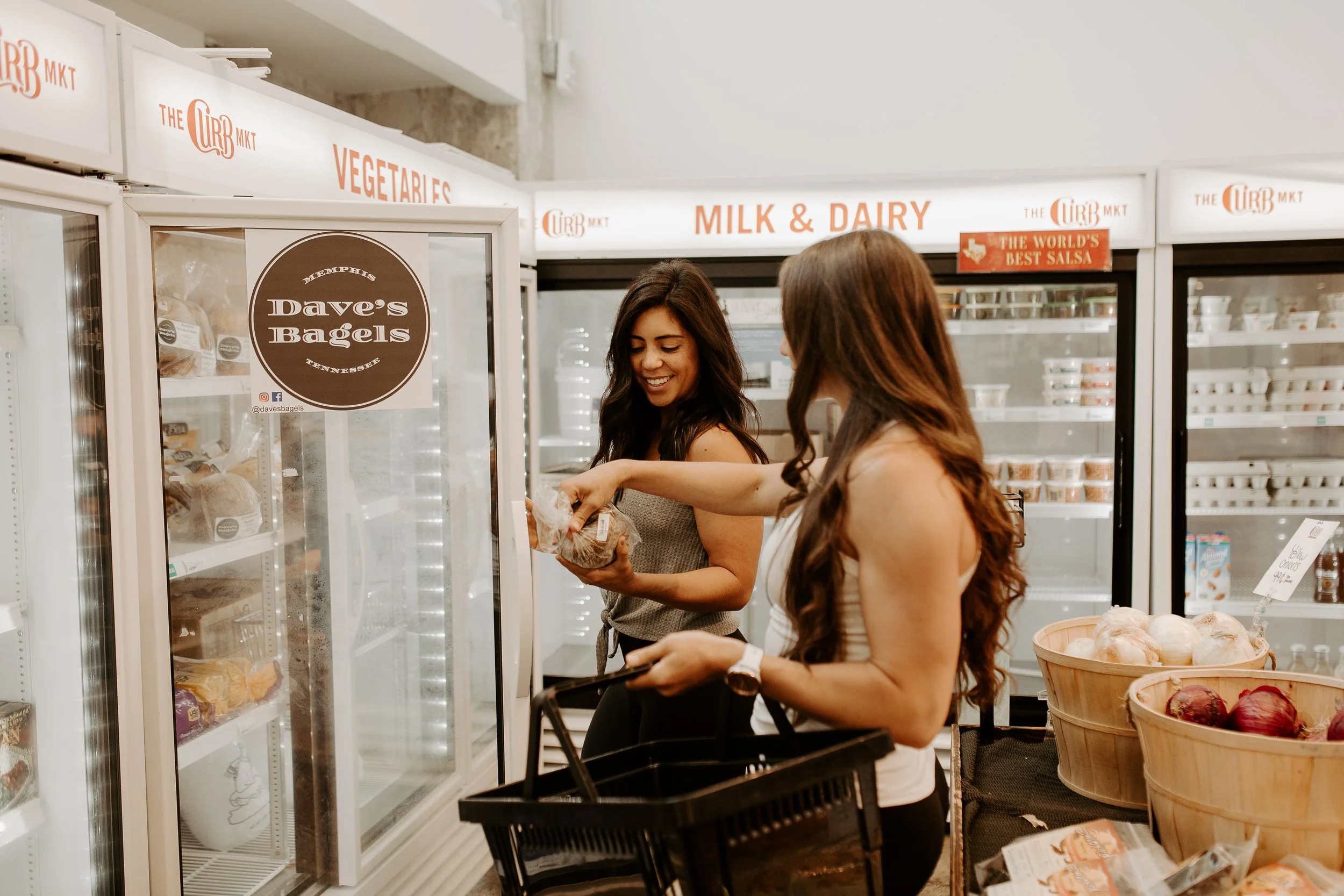
High fiber bread (5+ grams of fiber per slice)
A widely available brand of high fiber bread is Dave’s Killer Bread (most Costcos carry this brand, for example). Plain white bread averages ~1 gram of fiber per slice. The 21 Grains and Seeds version of Dave’s Killer Bread has 5 grams of fiber per slice. That’s 5x more fiber per slice! If you eat a sandwich with high fiber bread that’s an easy way to add 10 grams of fiber to your daily intake.
Chickpea, lentil, or whole wheat pastas
Not only are the above pastas high in fiber, but they’re often higher in protein and other micronutrients compared to pasta made from semolina flour (bytheway, there is nothing wrong with a plate of regular pasta - these pasta alternatives are just options that you can consider if you need to increase your fiber intake).
An example of this type of pasta is Goodles- it generally contains 6 to 7 grams of dietary fiber per serving, which is significantly higher than traditional boxed pasta meals, with its high fiber content usually derived from a chickpea/wheat flour mix.
Veggie Options (fresh and frozen)
Fresh vegetables
Think a bag of baby carrots, or a tray of veggies and dip that you take to a Superbowl party - these types of snacks always contain a good bit of fiber. The highest fiber veggies are:
Peas: ~9g fiber per cup
Sweet potato: ~6g fiber per cup
Broccoli: ~5g fiber per cup
Kale (cooked): ~5g fiber per cup
Brussels sprouts: ~4.5g fiber per cup
Potato (with skin): ~4g fiber per cup
Corn: ~4g fiber per cup
Frozen vegetables
Frozen veggies are SUPER convenient and they are nearly identical in their micronutrient content to fresh vegetables. There are bags of frozen veggies that come ready to pop in the microwave and you can steam them in minutes with nearly zero prep. This is a great convenient way to add veggies to your dinner.
And look if you’re somebody that doesn’t think veggies taste very good, add some sauce and seasoning to them! Look, grill your veggies with a delicious teriyaki sauce in order to make them palatable because even though there is now sugar on your veggies, they STILL have fiber and micronutrients that you desperately need!
Pantry staples that amp up fiber intake
Canned beans
Canned beans are a nutritious staple, generally offering 80-120 calories and 4-10 grams of fiber per 100g, depending on the bean type. They have a good amount of plant based protein, complex carbs, iron, and potassium as key nutrients that we all need.
And they are SO convenient! Crack open a can and you can add them to tacos, burritos, rice bowls, scrambled eggs, any number of staple meals, with zero prep. The highest fiber beans are:
Navy beans: ~19g fiber per cup
Black beans: ~15g fiber per cup
Kidney beans: ~13g fiber per cup
Chickpeas: ~12.5g fiber per cup
Breakfast fiber boosters
Chia seeds (4g fiber per TB)
Chia seeds are a plant-based powerhouse, but add these to your diet with moderation (10-20g/day) and plenty of water due to their high fiber content and ability to absorb water, which can lead to some digestion discomfort as you get used to them. One tablespoon (10-12g) provides around ~60 calories, 2g protein, nearly 4g fiber, 3.7g fat (mostly healthy omega-3 fats), and 5g carbs, plus essential minerals like calcium, iron, and magnesium
Try adding whole or ground chia seeds to smoothies, juices, milk, yogurt, oatmeal, pancakes or a granola bar recipe. Try them sprinkled on salads or cereal, baked into muffins or breads, or made into chia pudding. There are tons of options!
Oatmeal
A 100g serving of dry oats provides significant nutrition, typically around 379 calories, 10-11g of fiber (mostly heart-healthy soluble beta-glucan) making it an excellent food for good digestion and satiety.
It’s pretty easy to boil some water and make oatmeal, but if you want to make it even more convenient you can buy oatmeal packets that microwave in minutes, giving you a quick and easy high fiber breakfast. Throw in some chia seeds and raspberries while you’re at it and you can eat half of your daily fiber just at breakfast!
High Fiber Breakfast Oatmeal Bowl (example RECIPE)
Quaker Maple Brown Sugar Oatmeal packet: 160 calories: 4g protein/33g carbs/2g fat and 3g fiber.
Tablespoon of chia seeds: ~60 calories, 2g protein/5g carbs/3.7g fat/4g fiber
100g of raspberries: 50 cals, 1g protein/ 12g carbs/ 0g fat and 6.5g fiber
Oikos triple pro greek yogurt cup: 90 calories, 15g protein/10g carbs/ 0g fat/ 0 fiber
Giving us a total of 360 calories and 13.5g of fiber, that’s pretty good for a meal that only takes 5 minutes to throw together
MACROS PER SERVING: 22P/6F/60C (13.5g fiber
If you wanted to cook just a bit and need more protein and fat, you could add couple eggs on the side!
And don’t get me started on the convenience of overnight oats. If you want more recipe ideas, check out this blog post.
The pattern (and the takeaway)
Hopefully you’re starting to see the pattern here - fiber is found in foods that are unprocessed (like fruits and veggies), minimally processed (like canned beans, whole grain breads, oatmeal), or in some specialized foods (Goodles) that use minimally processed ingredients in order to contain more nutrients and fiber.
The general goal is to eat 14 grams of fiber per 1000 calories consumed. So if you eat 2000 calories in a day, your minimal ideal fiber intake is 28 grams, 3000 calories = 42 grams, and so on.
Add more fiber to your daily intake, have more energy, spend less time in the bathroom (guys you’re going to have to find somewhere else to look at your phone), and become a harder target to kill for all of those pesky diseases out there.
looking for a simpler way to prepare food that hits your macros
And checks the box on fiber, while also saving time, grab our Ultimate Batch Prep Guide for free. It’s packed with tips and tricks to make food prep far simpler and cut down on decision making throughout your days.

Kenny Lyman
Dad and Hyrox athlete helping clients turn hard work into real results without falling for every shiny new diet trend.
You might also like
Sign Up for the newsletterFollow KLN on social media
Before jumping into another fat loss phase, it’s worth building the skills that make consistency in a calorie deficit feel less chaotic. We’re covering three foundational habits to practice first: creating meal structure, building filling plates, and returning to your routine without “starting over.”